
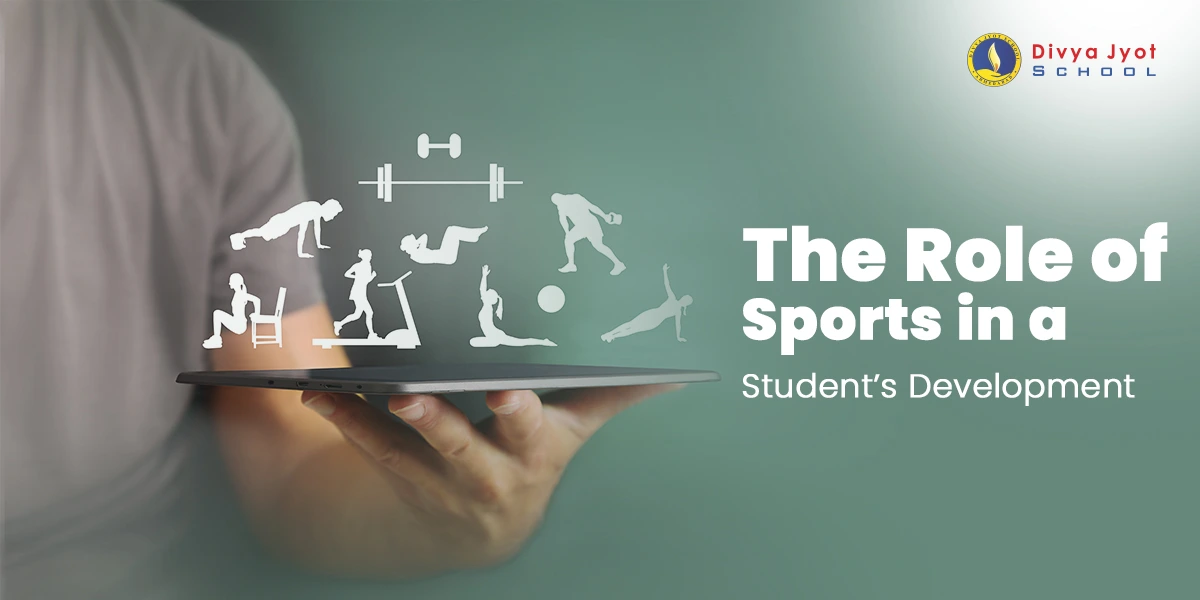
Student sports are frequently discussed in terms of competition: victory in games, record-breaking, and winning trophies. However, this opinion lacks the depth of the daily influence. The real worth of sport development is not on a scoreboard. It is quantified in the strength of a student, his concentration, and his quality of life.
Sports in a scholarly environment, drowning in screen time, and passive learning are a welcome respite, serving as a highly active and incomparable alternative. They are an active classroom in which the teaching is physical, social, and emotional. This is not just about exercising; this is about creating a more powerful, more confident, and more connected youth.
Let’s move beyond the generic “sports are good” talking points. Here’s a concrete look at how consistent athletic participation delivers measurable benefits across three core areas of a student’s life.
The Physical Foundation: Building a Healthier Body and Mind
The short-term gains are physiological. Sports provide a long-term solution to the problem of childhood inactivity, a significant issue nowadays.
In addition to essential fitness, frequent exercise helps to optimize the body. It makes the heart stronger, the lungs larger, and the bones denser- forming a physical base that reduces the chance of lifelong difficulties of diabetes, hypertension, and other chronic illnesses.
The Brain Chemistry Boost: This is the area that science becomes interesting. Exercise causes endorphins, dopamine, and serotonin to be released in your body, which are the natural chemicals that make you feel good. It is the biochemical shift that overturns stress, anxiety, and depression, resulting in improved sleep anda more stable mood.
Building Lifelong Habits: Exercises in practice strain healthy daily decisions. Athletes have a higher priority of nutrition, hydration, and sleep as they can directly relate to performance. It is effective self-care teaching.
The pool, field or court resembles society. In this case, the students learn interpersonal skills, which cannot be taught through textbooks.
Mastering Team Dynamics: Sports power cooperation. Students understand how to talk when under pressure, how to rely on other team members, and pursue a common objective. They experience the anger and disappointment of war, as well as the happiness of group success, competencies that they will need to apply at work and in society.
Developing Resilient Character: Sports provide a mastercourse in misfortune. A lost ball, a lost match, or a downturn teaches perseverance. Students also learn how to take failure, constructive criticism, and persist, which develops grit, which is a predictor of eventual success in life beyond sports.
Time Management in Action: Balancing practices, games, and academics is a practical course of organization crash. Student athletes organize days carefully, assign priorities, and spend time productively- discipline that enhances the academic habits.
The Academic Link: Sharpening the Mind Through Movement
The association between the body and brain is not conjectural. Sports do not represent an interruption to learning; on the contrary, they promote learning.
Cognitive Enhancement: Physical fitness enhances blood flow in the brain, resulting in better memory, concentration, and neuroplasticity, the learning abilities of the brain. There is always research indicating that student-athletes tend to have higher GPAs and test results.
Translating Skills to the Classroom: Attention to a playbook refines the focus. Strategic thinking based on games develops problem-solving. A growth mindset is developed through repetition. These are not simply athletic characteristics but fundamental academic abilities.
Exposure and Opportunity: School sports to some opens up higher education through scholarships and bring to light career opportunities in coaching, physio, sports management or professional athletics. They expand the future perspectives of a student.
The Neurochemical Advantage: Rewiring for Resilience
The psychological advantages start physically. Exercise is an extremely strong natural reaction.
The Stress Relief Cycle: When you exercise, the surplus cortisol is burned off, and the body produces endorphins, the mood elevators in the brain. This is the hit and balancing two-punch. It provides a more sustainable, healthy coping mechanism than any screen.
Building Confidence Through Competence: Sports are a concrete confidence factory. Advancement involves practice: developing an ability, cutting a few seconds, or playing in a team. Those performances create self-confidence, which transfers into the classroom.
Implementing a Balanced Approach
It is not an aim to make all students star athletes. It is to integrate significant physical exercise into the educational curriculum.
Schools and parents can:
- Provide Variety of Choice: Not all children are fond of mainstream sports. Offer diversity- martial arts and swimming as well as dancing and rock climbing are welcome.
- Prioritize Engagement, not Competence: In younger students, it is important to be interested in skills, fun, and teamwork, not in winning.
- Bridge the Dots: The teachers are encouraged to be active in connecting the practice as a field of study, and demonstrate how field teamwork can be translated into group project work.
Conclusion
Framing sports as merely an “extracurricular activity” underestimates their role. They are a core component of holistic education. A strategic commitment to sports development builds more than athletes; it builds healthier, more socially adept, and academically engaged students.
The investment returns a graduate who isn’t just knowledgeable but also resilient, disciplined, and equipped to navigate life’s challenges. In the long game of student development, that’s the most valuable win of all.