
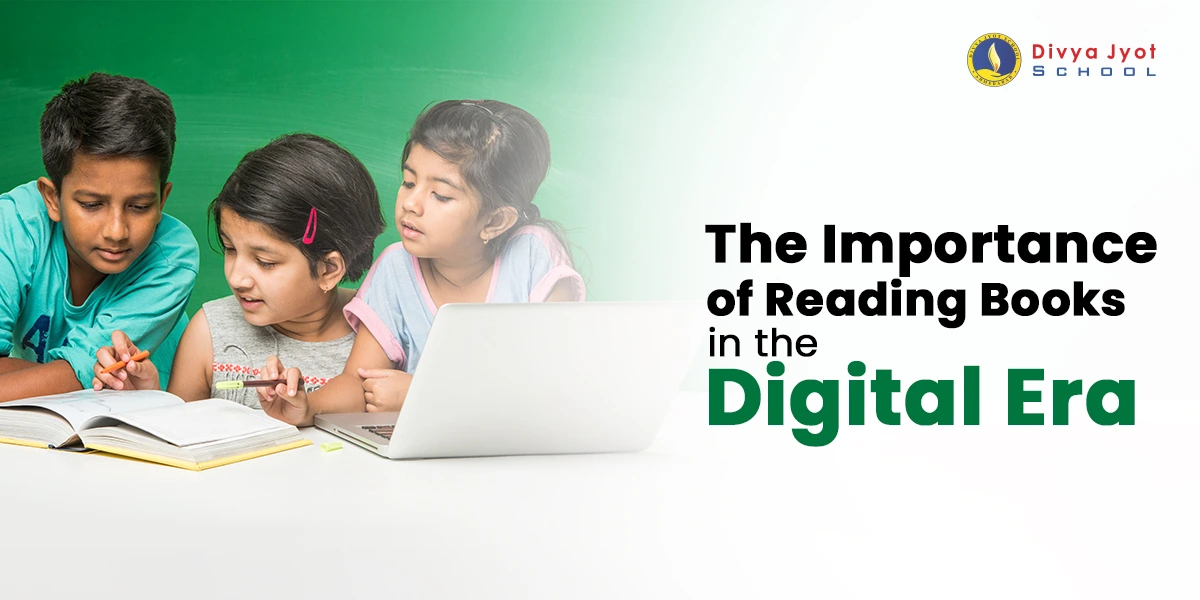
Our life is in a chaotic flow of information. Alerts buzz, news scrolls, and videos play automatically. We become divided into small and smaller pieces. The act of taking up a physical book in this climate may seem like an insane gesture of attention.
But this is why the importance of the reading of books has never been higher. A book teaches us to do the reverse of what our screens are teaching us to do: to bathe, ponder, and hold on to one developing thought.
Books offer a unique mental space for developing patience, empathy, and complex thought—skills that are in high demand but often in short supply.
Let’s explore why carving out time for a book remains one of the smartest investments you can make in your own mind.
Why Reading is the Ultimate Superpower for a Child’s Mind
We have an idea of what we desire in children: intelligent brains, generous hearts, and the instruments to understand the world. We seek new devices and applications with the hope that they will open opportunities. And the most useful of them is the oldest, the plain book.
The act of reading is a special exercise for the young brain. It requires something other in a time of immediate digital bits, something prolonged, retarded, and creative. This profound involvement is what develops the cognitive base of all the other things.
How Books Build a Stronger Mind
Reading is not as passive as watching a video. A child must break codes, plot, and visualize characters. This is a complicated mental procedure that develops the crucial neural circuits that are indispensable in learning.
The benefits are tangible. The vocabulary and understanding of the structure of language are increased. They are exercised in the manner of working with complicated concepts to the end, which has a direct positive effect on their capabilities of solving problems and implementing rational thoughts at school.
Most significantly, possibly, stories are lessons in empathy. When a child goes through the life of a character in a book, they get to realize how different the views of other people can be. This is an activity that develops emotional intelligence as few other things do.
A Foundational Skill for the Future
In the era of information overload, it is the capacity to process information at a deeper level that will be the true benefit. This training is what matters in terms of reading books. It does not simply cram a child with facts, but it produces an ability to focus, analyze, and relate things.
It is not aimed at producing a child who reads hours a day. It is to raise a person capable of, when necessary, paying attention to detail, being able to think, and being able to comprehend. That is the silent giant that a good book is giving, and this has never been more necessary than ever.
Six Reasons a Reading Habit is the Smartest Habit a Student Can Build
We keep on advising students to read more, and in the process, we do not always explain why it is such a potent tool. It’s not just about homework. Developing a routine of reading is a kind of daily exercise of the brain, and the results of the exercise are projected well beyond the classroom and into all areas of life.
If a student were to write an importance of reading books essay, they could build a compelling case on these six practical benefits alone. These aren’t abstract ideas; they are measurable advantages that improve academic performance, personal well-being, and future success.
1. It Trains Your Brain to Focus
In a world where people are receiving notifications everywhere around them, concentration is a superpower. To read a book, a person requires undivided attention. It is a good practice to follow a story or argument through to the end, which builds mental discipline. This increased concentration is a direct conversion into a positive result on exams, complex assignments, and any other activity that involves profound thinking.
2. It Builds a Powerful Vocabulary
You cannot say something that you do not know the words to. By reading books, students are introduced to language in a context, and they learn to tell the unobvious distinctions in meaning and usage. It is not a memorizing exercise; it is an absorption of language. Good vocabulary creates confidence in writing, speaking, and critical thinking.
3. It Strengthens Memory & Cognitive Function
Reading is a cognition process. Your brain is busy keeping up with characters, plot, and facts, both in the short-term memory and in the long-term memory. This continuous interaction keeps brain processes keen, a factor that would help in learning any subject and also keep the mind alert.
4. It’s a Proven Stress Reliever
It has been found that even six minutes of reading can help reduce stress levels considerably. It offers a healthy alternative, and a person can forget the everyday stress and concentrate on something different. This psychological relaxation slows down the rate of the heart and relaxes the muscles as in meditation. It is a convenient, easy-to-use anxiety management tool for the students.
5. It Fuels Creativity and Problem-Solving
As you read, particularly fiction, you envision settings and characters, which triggers the creative centers in the brain. This imagination allows one to think outside the box, imagine solutions, and think about problems from new perspectives—which is a major skill in any profession.
6. It Builds Empathy and Resilience
Books are gates to other lives. The readers can gain even better insight into various emotions and issues by seeing the story through the eyes of a character. This fosters sympathy and may offer motivation and role models, demonstrating the manner in which others cope with adversity and meet objectives.
Making Reading Stick: How to Build a Lifelong Habit in Kids
1. Start Early, Make it Ritual
Don’t wait. Read to the child since his or her infancy. It is not about understanding here but merely making a good positive association with books. Your voice and the beat of the words, the mutual attention, creates a neural groundwork of language and an appreciation of stories well before they can read their first word.
2. Let Choice Drive Engagement
When abilities grow, empower them. Forced reading backfires. Allow them to select books that match their interests: dinosaurs, soccer, space, and fantasy. Digital resources such as the BOOKR Class application may be helpful in this regard, as they suggest titles depending on the interest of a child. Reading becomes more like finding out about a hobby versus reading a homework and the involvement is much greater.
3. Design a “Reading Zone”
Environment matters. Prepare a cool, welcoming atmosphere: good light, a comfortable chair, and quiet. This physical stimulus informs the brain that it is time to concentrate and lose oneself. It makes reading something special, because it is no longer associated with the pandemonium of screens and everyday noise.
4. Model the Behavior You Want to See
Children imitate what they see. Make them see you as reading leisurely. Discuss what you are reading informally. Talk about a fascinating fact in an article or be enthusiastic about a new novel. This demonstrates that reading is a good and enjoyable aspect of adult life not only a school activity.
Conclusion
Reading is not an activity that we need to defend using tradition, but the concrete cognitive and emotional reward. It is an investment in the mental tool kit of a student to be encouraged to read at least 15-30 minutes a day. It makes them more focused, broadens their knowledge, and gives them a basis for learning throughout their lives and surviving tough moments. That is the kind of essay to write—and to be in the practice of.