
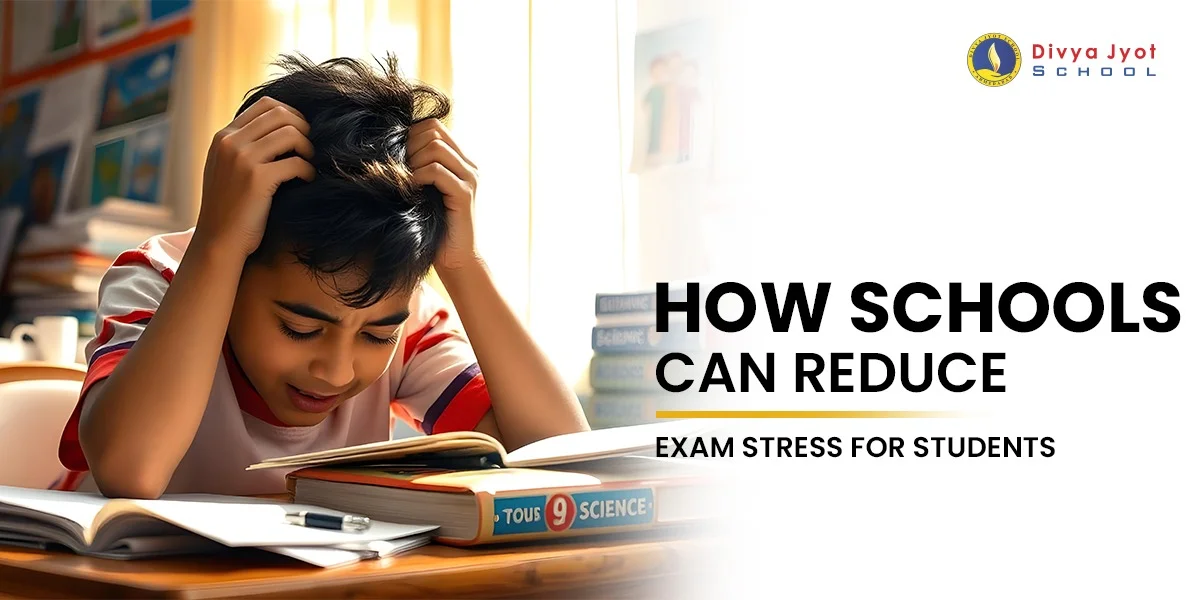
Exam season is when a child’s hard work through the year starts to show. The classroom feels a little more focused, and students begin to take their preparation seriously. It is a time that brings out the best in children when they feel genuinely ready.
Have you noticed your child studying harder but feeling less confident?
Are they putting in the hours but still not sure if it is enough?
That gap between effort and confidence is where exam stress quietly takes hold.
At Divya Jyot School, knowing how to reduce exam stress is built into how we prepare students every single day. A calm, well-supported student walks into an exam with clarity and confidence. This blog covers what exam stress actually looks like inside a school and what the right preparation does for a child.
What Good Schools Do Before Exam Season Even Begins
Good exam preparation starts long before the first test paper arrives. Students feel calmer when routines stay clear and familiar. Teachers also get more time to understand each child’s learning pace.
Study Planning
Teachers help students follow small and steady study routines. Daily revision becomes easier through simple classroom habits. Students feel more prepared when learning stays organized throughout the year.
Practice Support
Practice papers help students understand question patterns early. Classroom exercises feel more familiar before exams begin. Children slowly build confidence through regular preparation and guided revision sessions.
Parent Updates
Parents receive clear updates about classroom progress and preparation. Simple guidance helps families support study routines at home. Children feel more settled when school and home work together regularly.
Calm Routines
Schools create balanced schedules during preparation periods. Short breaks and activity time keep students refreshed during study hours. Familiar routines help children stay focused during busy exam weeks.
Teacher Attention
Teachers notice when students need extra academic support. Small classroom discussions help children clear doubts without pressure. Personal guidance also shows parents how to reduce exam stress early.
Steady Encouragement
Positive feedback helps students trust their preparation more confidently. Teachers celebrate steady effort during classroom learning and revision. Children begin exam season with a calmer and clearer mindset.
How the Classroom Environment Helps Students Stay Calm During Exams
Exam preparation feels easier when classroom routines stay familiar each day. Children focus better when lessons feel organized and steady. A calm school environment often helps students prepare with more confidence.
Teachers usually begin revision classes with simple goals for the day. Students understand what they will practice before lessons start. That clarity helps children settle into studies more comfortably.
Practice papers become part of normal classroom learning during exam season. Students slowly grow familiar with answer writing and revision patterns. Familiar classroom practice also supports many school mental health programs naturally.
Children feel more comfortable asking questions during revision lessons. Teachers explain difficult topics using simple classroom examples. Small discussions often help students stay engaged during preparation.
Quiet study periods also help students organize their thoughts calmly. Short breaks between lessons keep children refreshed during long revision days. Familiar routines help the classroom feel steady throughout exam weeks.
The Role Teachers Play in Keeping Students Exam-Ready
Teachers guide students closely during preparation weeks at school. Daily classroom support helps children feel more prepared before exams. Consistent guidance also supports stress management for students during busy academic periods.
Revision Help
- Teachers explain difficult topics using simpler classroom examples.
- Quick revision sessions help students remember important concepts better.
- Students receive extra guidance before classroom practice activities.
Writing Practice
- Practice papers help students improve their answer-writing confidence.
- Teachers guide students during timed classroom exercises regularly.
- Children slowly become comfortable with exam-style question patterns.
Doubt Clearing
- Students ask questions freely during revision classes.
- Teachers clear confusion through short classroom discussions.
- Children stay more engaged when lessons feel easier to understand.
Study Habits
- Teachers encourage regular revision throughout preparation weeks.
- Simple planning habits help students organize study time better.
- Classroom routines help children prepare steadily before exams.
Parent Guidance
- Teachers share preparation updates with parents regularly.
- Families receive simple suggestions for home study routines.
- Children feel supported when communication stays clear and consistent.
Steady teacher support helps children approach exams with greater confidence. Familiar classroom guidance also makes preparation feel more comfortable daily. Students benefit when teachers stay involved throughout exam preparation weeks.
The Skills Schools Build in Students So Exams Feel Manageable
Children feel more prepared when schools teach everyday learning habits early. Small classroom habits often shape how students handle exam preparation later. These routines also help children cope with exam stress naturally.
- Reading Questions Carefully
Teachers train students to understand questions before answering quickly. Children learn how to spot keywords during classroom exercises. - Handling Time Pressure
Timed classroom activities help students work within clear limits comfortably. Students slowly learn how to pace themselves during written tasks. - Organising Thoughts
Teachers encourage students to structure answers before writing fully. Simple planning habits help children express ideas more clearly. - Recovering Focus
Short pauses between activities help students return to lessons calmly. Children learn how to settle back into revision after distractions. - Asking For Help
Students practice raising doubts during normal classroom discussions regularly. This habit helps children feel more comfortable during preparation weeks. - Following Routines
Daily classroom schedules help students build consistency before exam season. Familiar routines make preparation feel easier to manage over time.
These habits stay useful across different subjects and exam formats. Children often feel calmer when preparation follows familiar routines daily. Steady school guidance helps students approach exams with greater confidence.
How School Counselling Supports Students Through Exam Season
Exam preparation feels easier when students have trusted support inside school. Children often feel calmer when someone listens patiently during busy weeks. Many schools also use student counseling services to support emotional well-being during exams.
Safe Conversations
Students share thoughts comfortably during preparation periods at school. Simple conversations often help children feel calmer during exam weeks. Familiar support also helps students feel emotionally settled daily.
Balanced Routines
Counselors help students build manageable study routines before exams begin. Small planning habits make preparation feel more organized each day. Children slowly develop steadier preparation patterns through guidance.
Confidence Building
Positive encouragement helps students trust their preparation more comfortably. Counselors support children during revision and classroom preparation activities. Students often feel more prepared through steady emotional support.
Parent Guidance
Schools also guide parents during important preparation periods carefully. Clear communication helps families support study routines more smoothly. Children benefit when school and home stay connected regularly.
Student counseling services help students feel supported throughout exam preparation weeks. Familiar guidance often creates calmer and steadier preparation routines daily. Children approach exams with greater comfort and confidence over time.
Conclusion
Good preparation becomes easier when students follow steady school routines daily. Familiar classroom support helps children stay organized during exam preparation weeks. Clear guidance also helps students feel more prepared before exams begin.
Teachers support students through revision, practice sessions, and classroom preparation activities. Schools also help children build useful study habits throughout the year. Counselling support gives students additional comfort during busy academic periods.
At Divya Jyot School, students prepare through structured classroom learning and regular teacher guidance. Children receive support through revision planning, practice activities, and balanced school routines.