
Cyber safety for students is a process that safeguards students’ personal information and identity on the internet. Students in Ahmedabad spend hours a day on applications, web pages, and social networks to study and have fun.
The internet exposes young learners to a world of knowledge, connection, and creativity. Every application, website, and communication is liable. Learners who know such requirements are better assured of a safer and more secure online experience daily.
The largest online threats to students are discussed in this blog. It also divides the most valuable cyber safety tips that every student needs to know. Parents and teachers will have viable solutions on how to develop safer digital habits together.
Why Does Cyber Safety Matter for Students Today?
Cyber safety is important, as anything you do on the internet leaves an unerasable mark on your reputation. The students in Ahmedabad are raised in a world where digital life and real life are intertwined. The ability to learn how to remain safe on the internet predetermines the possibilities that you will have in the future.
The majority of children get their first smartphone at the age of under ten. Young users are usually introduced to the digital world without any official advice or training on digital safety. That is why the knowledge of online protection is one of the most significant skills that a student can acquire at an early age.
Your online profile accompanies you into college admissions, job interviews, and personal life. All the comments, photos, and interactions on the internet add to the reputation that you have been developing. The first step to safeguarding that reputation is the decisions you make today on the internet.
When students learn about the significance of cyber safety among students, they make wiser choices daily. They read first, before clicking, sharing, or responding to anything on the internet. That habit is the only way they can be shielded against the most prevalent dangers of the online environment as a student.
What Are the Biggest Online Threats Students Face?
Online threats are dangers that damage your information or your emotions. Internet Safety Tips can make you aware of these dangers. Perils may disguise themselves as counterfeit links or malicious messages from strangers. You have to be aware of what to be on guard for as you browse.
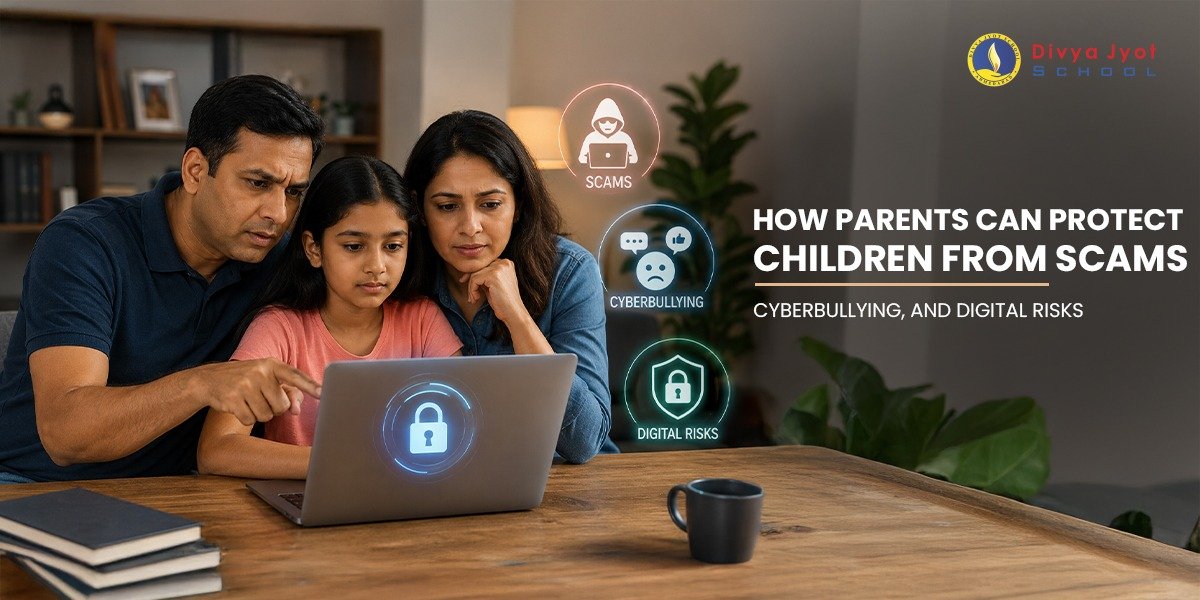
- Cyberbullying: Students employ electronic communications to insult or attack their fellow students. This online bullying trails you home using your phones and your computers. Sometimes, one can feel that there is no way out of this bullying.
- Phishing Scams: Scammers take advantage of misleading messages to steal your personal information. They make counterfeit websites such as amazom.com rather than amazon.com so as to deceive you. Always verify the spelling of the names of the websites before clicking.
- Malware: Spyware can infect your phone or your home computer. You can download it by clicking on suspicious links or bogus advertisements. Such programs may steal your files or lock your device.
- Online Predators: Online predators may pose as someone of your age when communicating online. They establish a sense of trust to use you or do you actual damage. Report any adult who requests personal photos or address.
What Are the Top 8 Cyber Safety Tips Every Student Should Know?
These eight steps will help every student have a secure online presence. These Cyber Security Tips will offer a solid defense of your online existence.
1. Create Strong Passwords
Combine letter and number and special characters. It is safer to change your passwords every 60-90 days.
2. Guard Personal Info
Do not give your address or phone number to strangers. Always keep your school address and routine confidential.
3. Think Before You Post
Apply the grandparent rule and post a photo or message. Give yourself to ask your elders whether or not they would like to see that particular content.
4. Use Two-Factor Authentication
Add security to your favorite accounts. This option will need a second code to confirm your identity.
5. Identify Scams
Check in web links or email addresses with little spelling mistakes. Fraudsters adopt names such as “gamming” rather than gaming.
6. Be a Good Citizen.
Be courteous to others in all chat rooms and comment boxes. Do not spread rumors and be part of these group messages.
7. Report Abuse
Disclose to someone you trust, in case anything on the web makes you feel uncomfortable. Bad behavior can be reported to prevent the overall digital community from being unsafe.
8. Verify Downloads
Only get apps and games from official and trusted stores. Be wary of deals that are too good to be true.
How Can Parents and Teachers Support Cyber Safety at Home and School?
Adults guide children toward safe and responsible online habits every day. They give a safety net to all young users. With their assistance, students will be spared from numerous pitfalls and dangers of the Internet.
- Open Communication: Establish a no-judgment space in your home with your kids. Have weekly check-in sessions to discuss their activities on the internet. Ask them to report the mean messages they come across.
- Establish Limits: Have device-free areas in your home with your family. The dining table must be free of any screens. This practice will assist students in concentrating on talking in the real world.
- Active Monitoring: Consider such tools as Google Family Link or Qustodio apps. These applications are useful to monitor screen time and block inappropriate content. Surveillance assists students in becoming good digital citizens.
- Be aware of Red Flags: See the signs of secretive behavior or distress following device use. These markings enable the students in Ahmedabad to remain safe. When a child appears distressed by the internet, adults have to take some action.
Conclusion
Being safe on the Internet takes regularity and intelligent everyday decisions. Good cyber safety helps students to safeguard their personal details, reputation, and future. The habits are reinforced as schools and families develop them jointly at a young age.
All students have a right to explore the internet without fear and hesitation. Parents and teachers make a difference in the way young learners can navigate the online world. Conversations at home and in the classroom help in creating long-term digital awareness.
Divya Jyot School in Ahmedabad is concerned about the safety of students both within and outside the classroom. The school has a strong culture of teaching digital citizenship and responsible online behaviour as a subset of the wider learning culture. Get in touch with the Divya Jyot School today.